History of Steinbach, Manitoba: From Dinosaurs to the Present

Steinbach, Manitoba, boasts a rich history that spans from prehistoric times to its current status as a thriving city.

Prehistoric Era

Millions of years ago, the area now known as Steinbach was inhabited by dinosaurs. Fossils of species such as Tyrannosaurus rex and Triceratops have been discovered here, indicating a warm and humid climate favorable for these ancient creatures.

Glacial Period

During the Ice Age, thick glaciers covered the region, sculpting the landscape into the valleys, hills, and lakes observed today.

Indigenous Peoples

For thousands of years, Indigenous groups, including the Assiniboine and Cree, inhabited this land. They sustained themselves through hunting, fishing, and gathering wild plants, developing rich cultures and traditions.

European Exploration

The first Europeans to arrive were French explorers and fur traders who established trade relations with the Indigenous peoples.

Mennonite Settlement

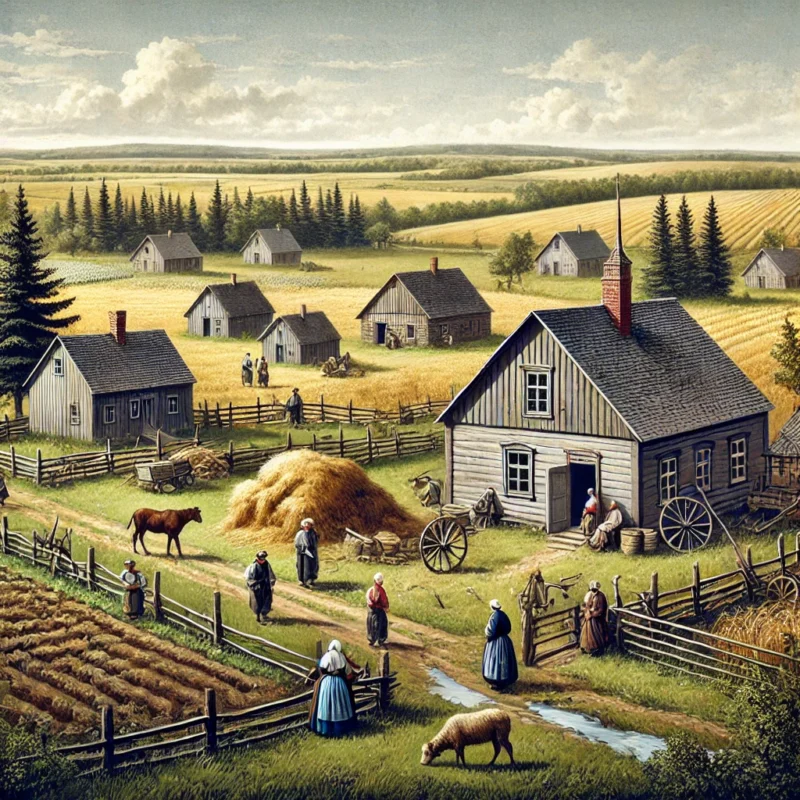
In 1874, German-speaking Mennonites seeking religious freedom settled in the area, founding what would become the city of Steinbach. The name “Steinbach” derives from the German words for “stone” and “brook.”
Steinbach history

Development into a City

Initially an agricultural community, Steinbach evolved into a prosperous city and is now a center for trade, industry, and education. It is recognized as one of the fastest-growing cities in Manitoba.

Cultural Heritage

Steinbach is home to the Mennonite Heritage Village, a museum that showcases the history and culture of the Mennonite settlers. The city also hosts various festivals, such as “Mennonite Heritage Days” and “Steinbach Summer Spiel,” celebrating its diverse cultural background.

Modern Steinbach

Today, Steinbach is known for its picturesque landscapes, welcoming community, and strong sense of togetherness. It continues to grow and thrive, honoring its rich history while embracing a bright future.

Health Care Tips in Canada

Health in Canada: We (UASM) understands that access to quality health care is essential for everyone living in Canada, regardless of their background.

Find Your Family Doctor

A family doctor is your first contact with Canada’s health care system. They can provide you with primary medical care, diagnose and treat illnesses, and refer you to specialists if needed.

Here are some ways to find a family doctor:

Ask friends, family, or acquaintances: They may recommend a doctor with whom they have had a positive experience.
Use an online search: There are many websites that can help you find a doctor in your area. For example, you can use the website of the College of Physicians and Surgeons of Manitoba: http://www.cpsm.mb.ca/.
Contact a local clinic or hospital: They can assist you in finding a doctor who is accepting new patients.

Get Health Insurance

Health insurance is essential for everyone living in Canada who cares about their health. It can help you cover the costs of medical services, medication, hospitalization, and other medical expenses.

There are two main types of health insurance in Canada:

Private health insurance: You can purchase this insurance independently or through your employer.
Public health insurance: This insurance is available to most Canadian residents.
More information about health insurance in Canada can be found on the Manitoba Health website.

Find a Pharmacy

There are many pharmacies in Canada where you can buy prescription and over-the-counter medications. You can find a pharmacy by searching online or asking friends, family, or acquaintances.

Some pharmacies also offer additional services, such as:

Pharmacist consultations: Pharmacists can provide you with information about your medications and how to take them properly.
Blood pressure measurement: Some pharmacies offer free blood pressure measurement services.
Vaccinations: Some pharmacies offer vaccinations, such as flu shots.
Access to Emergency Care

If you have an emergency medical situation, go to the nearest emergency department immediately.

The emergency phone number in Canada is 911.

Additional Resources:

College of Physicians and Surgeons of Manitoba: http://www.cpsm.mb.ca/
Manitoba Health: https://www.gov.mb.ca/health/
Heart & Stroke Foundation of Canada: https://www.heartandstroke.ca/
Canadian Mental Health Association: https://www.cmha.ca/


St. Patrick’s Day in Canada: A Celebration of Irish Culture and Diversity

St. Patrick’s Day is observed annually on March 17th and celebrated worldwide. However, it holds a special place in the cultural tapestry of Canada. Originally a religious feast day for St. Patrick, the patron saint of Ireland, it has evolved. Now, it’s a celebration of Irish heritage, complete with festivals, parades, and plenty of green.

Canada is known for its diversity and multicultural ethos. St. Patrick’s Day offers a unique opportunity for all communities. They can engage with Irish traditions across the country. Major cities like Toronto, Vancouver, and Montreal host large parades. These parades feature floats, bands, and dancers all decked out in green, showcasing the lively Irish spirit.

Symbolism of St. Patrick’s Day:

The most iconic symbol associated with St. Patrick’s Day is the shamrock, a type of clover which, according to legend, St. Patrick used to explain the Christian Holy Trinity to the pagan Irish. This emblem not only represents the religious aspect of the holiday but also Irish identity and culture.

The leprechaun, another prominent figure, originates from Irish folklore and is often depicted as a small, mischievous fairy. These mythical creatures and their pots of gold hidden at the end of rainbows add an element of fun and magic to celebrations.

Engaging All Communities:

St. Patrick’s Day in Canada is more than just an Irish holiday; it is a reflection of Canada’s inclusive society. People from various ethnic backgrounds participate in the festivities. They wear green and enjoy Irish food and drinks. Many also attend concerts featuring Irish music and dance. This inclusivity allows other cultural groups to showcase their traditions. They share in the celebration, fostering deeper understanding and appreciation among diverse populations.

St. Patrick's Day Seminar

Educational workshops and cultural exchanges can also be part of the festivities, where people learn about the significance of Irish symbols, traditional dances, and culinary delights. Such activities not only entertain but also educate, making the celebration a comprehensive cultural experience.

St. Patrick’s Day in Canada exemplifies how a cultural celebration can transcend its origins and become a vibrant part of a nation’s annual festivities. It is a day for everyone, regardless of their heritage, to enjoy and participate in the rich Irish culture, demonstrating Canada’s ongoing commitment to multiculturalism and community engagement.

eChart Manitoba: How to Access Your Medical Test Results Online

Medical test results online?  In Manitoba, everyone can access their medical test results using eChart Manitoba. This convenient and secure electronic system provides authorized healthcare professionals access to your medical inormation. It includes lab test results, prescribed medications, immunizations, and X-ray reports. You can also use this system to view your medical data online.

What is eChart Manitoba?

eChart Manitoba is an electronic system that consolidates patient health information in Manitoba. Using your Manitoba Health Card, you can access important medical records. This system greatly simplifies obtaining necessary information for both patients and healthcare professionals, ensuring quick access to data.

To access eChart Manitoba, follow these steps:
  1. Contact your doctor or healthcare facility. Ask your doctor to provide you access to eChart Manitoba. They can explain the registration process and how to use the system.
  2. Register in the system. You will need your Manitoba Health Card and possibly other identification documents to verify your identity.
  3. Use the system to view your medical data. Once registered, you can view your test results, prescriptions, and other medical information online.
Benefits of eChart Manitoba

The main benefit of using eChart Manitoba is convenient access to all your medical data in one place. This helps patients better manage their health, stay informed about their test results, and follow their treatment plans. The system also facilitates more effective communication between doctors and patients, making the treatment process more transparent and understandable.

Access Only Through Authorized Healthcare Professionals

Please note that access to eChart Manitoba is provided only through authorized healthcare professionals. If you have any questions or difficulties accessing the system, we recommend contacting your doctor or local healthcare facility for further assistance.

For more information, visit the official eChart Manitoba website.

Winter Waterfalls of Manitoba: Breathtaking Landscapes and Adventures

Manitoba is a province in Canada rich in natural wonders, including picturesque waterfalls. In winter, these water features transform into magical ice sculptures, attracting nature lovers and adventure seekers. If you’re looking for a winter getaway, waterfalls of Manitoba are a must-visit!

Top Winter Waterfalls to Visit

Pisew Falls — Located in Pisew Falls Provincial Park, this waterfall turns into a majestic ice wall during winter. Its name comes from the cry of a lynx, which resembles the sound of falling water. Legends say that this waterfall was a meeting place for local tribes to discuss important matters.

Waterfalls of Manitoba

Kwastichewan Falls — The highest waterfall in Manitoba, located near Pisew Falls. Locals tell stories of it being a refuge for travelers and traders during harsh winters. Its swift flow symbolizes the strength and resilience of nature.

Rainbow Falls — Situated in Whiteshell Park, this waterfall captivates with its stunning ice formations. Legend has it that on sunny days, you can see the reflections of nature spirits here. It’s a favorite spot for artists aiming to capture its magic on canvas.

Waterfalls of Manitoba

Whitemouth Falls — Winter gives this waterfall a magical appearance thanks to its snowy and icy formations. It was once an important fishing ground for local tribes. Its waters are considered sacred and healing.

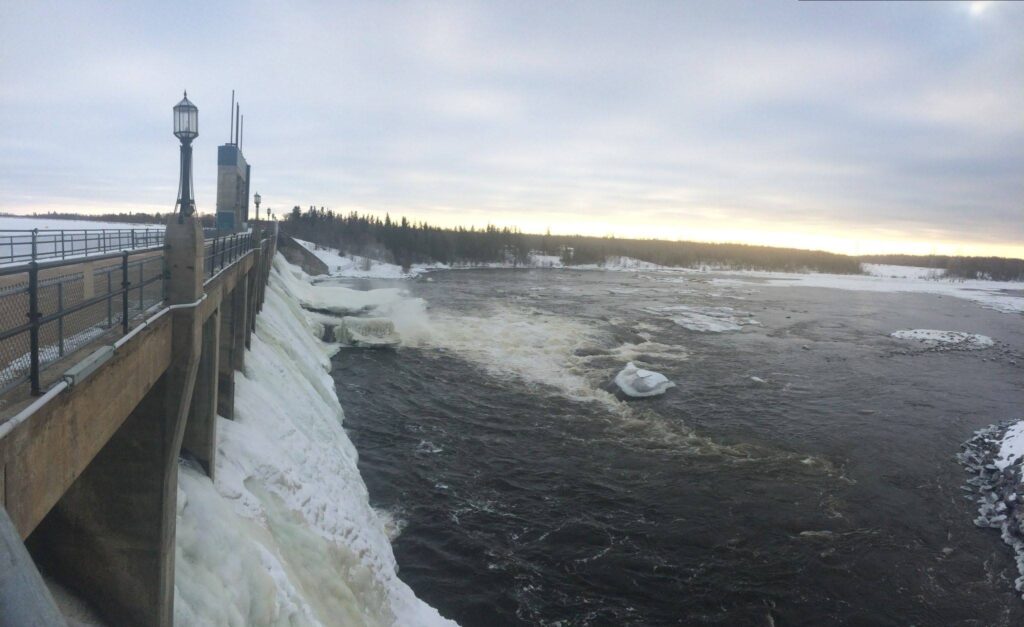
Seven Sisters Falls — Located near the Seven Sisters Dam, this waterfall holds great historical and economic significance. The hydroelectric station provides power to much of Manitoba, and the waterfall attracts visitors with its cascading beauty. In winter, the frozen flows create an unforgettable sight. The dam is also a popular spot for walks, offering spectacular views of the frozen Winnipeg River.

Waterfalls of Manitoba

How to Prepare for a Winter Trip to the Waterfalls

Visiting winter waterfalls requires careful preparation. Here are some recommendations:

  • Clothing: Layered warm clothing and sturdy footwear with anti-slip soles.
  • Equipment: Trekking poles for stability on ice and snow.
  • Food and Water: A thermos with a hot drink and light snacks.
  • Safety: Always inform someone about your route and carry a fully charged phone.
  • Transportation: Ensure your vehicle is equipped with winter tires.

Manitoba’s winter waterfalls offer a unique opportunity to experience the magic of nature during the cold season. The stunning ice formations, fresh air, and active recreation will make your trip unforgettable.